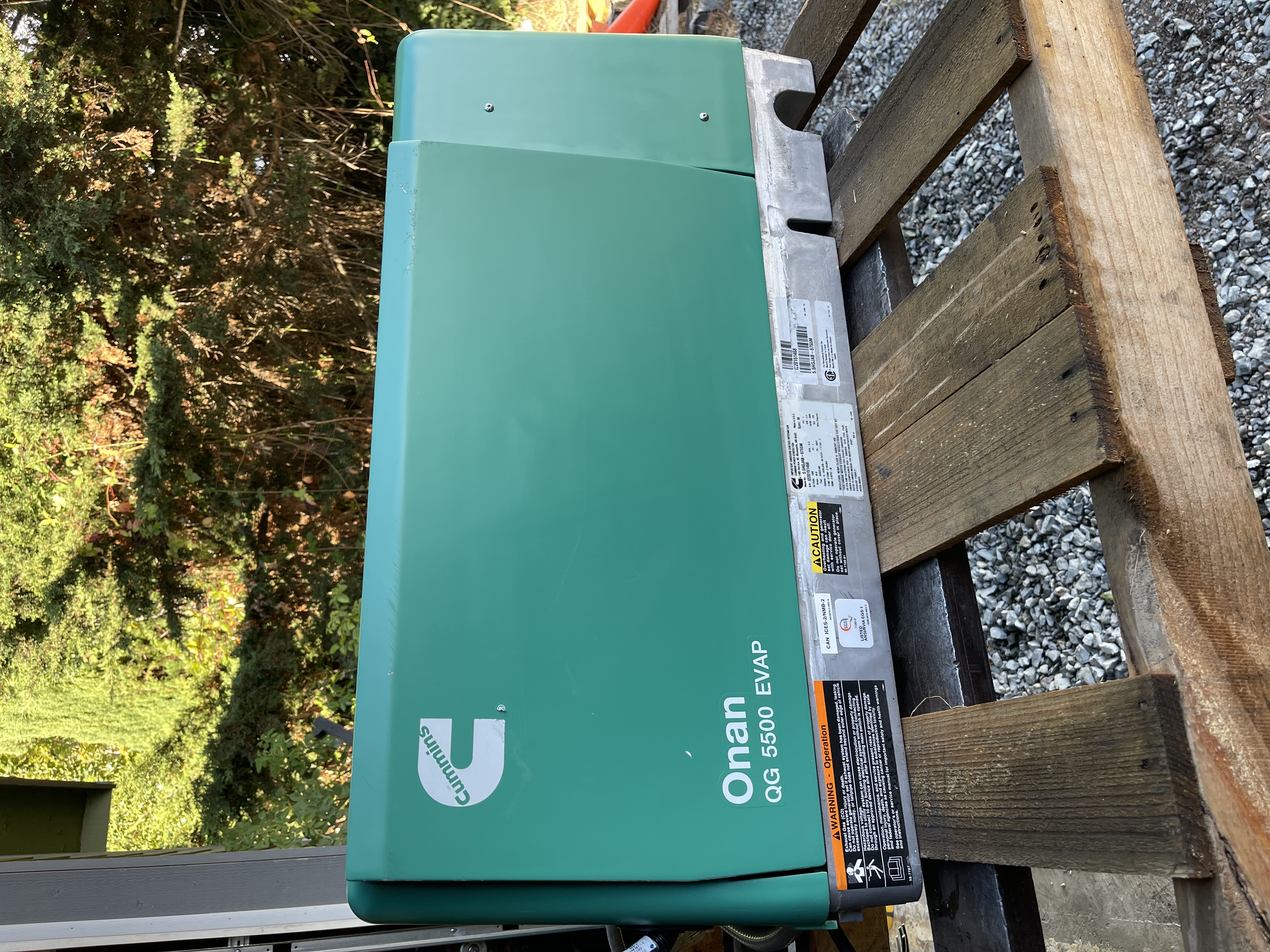
Top Maintenance Tips to Extend the Lifespan of Your Generator Dec 28, 2025
The first step in generator maintenance is consistent inspection. Regularly check your generator for any visible signs of wear and tear. Look for any loose wires, corroded connectors, and leaks in fuel systems. Catching issues early can prevent more significant problems later on and is an essential measure for extending the life of your equipment. At The Generator Guy, we recommend setting a monthly reminder to perform a visual inspection.
Another crucial maintenance tip is regularly changing the oil. Generators, much like cars, require fresh oil to keep the engine parts lubricated. Depending on your generator’s model and how often it is used, oil changes may be necessary after every 50 to 200 hours of operation. Always consult your user manual or reach out to professionals like The Generator Guy to ensure you’re using the correct type of oil, as the wrong type can cause more damage than good.
Regular testing of your generator is another key practice. Running your generator periodically, even when not needed, ensures that all components are functioning correctly and helps circulate the oil. Operating your generator for about 30 minutes every three months is a great way to prevent issues and confirms that it will be ready when the unexpected occurs.
Don't overlook the air filter. A clean air filter is vital for your generator's performance and efficiency. It prevents dirt and debris from entering the engine, which helps avoid overheating and other potential damage. Depending on usage and environmental conditions, you may need to replace or clean the air filter every 100 to 300 hours of operation. A quick inspection every few months can help determine its condition.
Fuel management is equally important. Storing fuel properly and using a stabilizer can prevent it from degrading over time, which ensures optimal performance when your generator is needed. If your generator runs on a fuel type like gasoline, be aware that it can degrade within a few months. Properly stored fuel can make all the difference in generator readiness.
Electrical components should not be neglected either. Regular checks of battery connections, circuit breakers, and indicators will ensure they function when needed. Consider having these components professionally checked annually to catch any issues that may not be immediately visible.
Finally, consider professional servicing. Regular professional maintenance checks by an experienced electrician like those at The Generator Guy can provide a comprehensive assessment and tune-up of your generator. This ensures that more intricate components are optimally maintained, which further extends your generator's lifespan.
In conclusion, regular maintenance of your generator involves a combination of inspections, running tests, component checkups, and professional servicing. These steps not only extend the lifespan of your generator but also provide the reliability you need during power outages. Implementing these tips can lead to significant savings and peace of mind, knowing that your generator is well maintained and ready when needed. For any assistance with your generator maintenance, remember that The Generator Guy is here to help you every step of the way.
/filters:no_upscale()/filters:format(webp)/media/8368379f-ec60-4558-880b-333e18e8443b.jpeg)